
How to Maximize Small Backyards with Creative Landscaping Solutions
Discover the art of transforming small backyards into vibrant, functional spaces. This guide explores innovative landscaping techniques that maximize utility and aesthetic appeal, ensuring your limited outdoor space is both a retreat and a reflection of your creativity. Whether you have a tiny urban garden or a small patch on your suburban lot, the potential to create a stunning landscape is vast. By utilizing vertical spaces and choosing suitable plants, you can achieve a harmonious and multifunctional backyard. The following sections will provide you with comprehensive strategies to reimagine your outdoor area, even if it's limited in size.
1. Assessing Space and Understanding Needs
Before diving into landscaping, it is crucial to thoroughly assess the dimensions and shape of your backyard. Every small space has its unique characteristics, and understanding these will inform your design approach. Consider the layout of your yard, any existing features, and the accessibility of different areas. By mapping out your space, you can effectively plan where to integrate new elements, ensuring seamless design and functionality. This initial step will also help in identifying any constraints and opportunities your particular backyard presents.
Identifying essential and desired features in your backyard is a critical part of the planning process. Think about how you plan to use the space—will you prioritize relaxation, entertaining, gardening, or a combination? Document these uses and features like seating, play areas, and plant beds that you deem necessary. If done effectively, this exercise will help you allocate your budget to each desired feature, creating a realistic outline of your project. Furthermore, evaluating your list of desires versus necessities will guide you in making practical decisions, should you face any budgetary or spatial limitations.
Establishing a budget will ensure you avoid financial stress and project delays. Adequate planning encompasses not just the design and materials but also the installation and maintenance costs. In the U.S., the landscaping industry employs 1.2 million people, signifying the breadth of professional services available for hire. If you're considering professional help, include these potential costs in your budget, but don't overlook the benefits of do-it-yourself approaches for cost savings. By understanding your financial boundaries, you're better positioned to prioritize your must-haves and nice-to-haves, leading to a more structured and streamlined project.
2. Utilizing Vertical Space
Maximizing vertical space in small backyards is a game-changer that introduces depth and dimension to your landscape. Vertical gardens and living walls not only provide a lush green canvas but also help insulate your home and improve air quality. Start by selecting areas where vertical installations can enhance the aesthetic and functional aspects of your backyard. Walls, fences, and even standalone structures can be transformed into eye-catching greenery. Consider the maintenance level required for such installations, opting for self-watering systems if time for upkeep is a concern.
Trellises are an elegant solution for incorporating climbing plants, adding texture and depth to your outdoor space. Incorporating a trellis isn’t just about aesthetics; it’s an opportunity to grow plants that might otherwise take up valuable ground space. Climbing roses, jasmine, and clematis are popular choices that thrive in such environments. Aligning trellises with your decorative goals will help focus the visual flow of the backyard, setting the stage for a serene outdoor experience. Additionally, climbing plants on trellises can act as natural dividers, subtly segmenting different areas of your landscape.
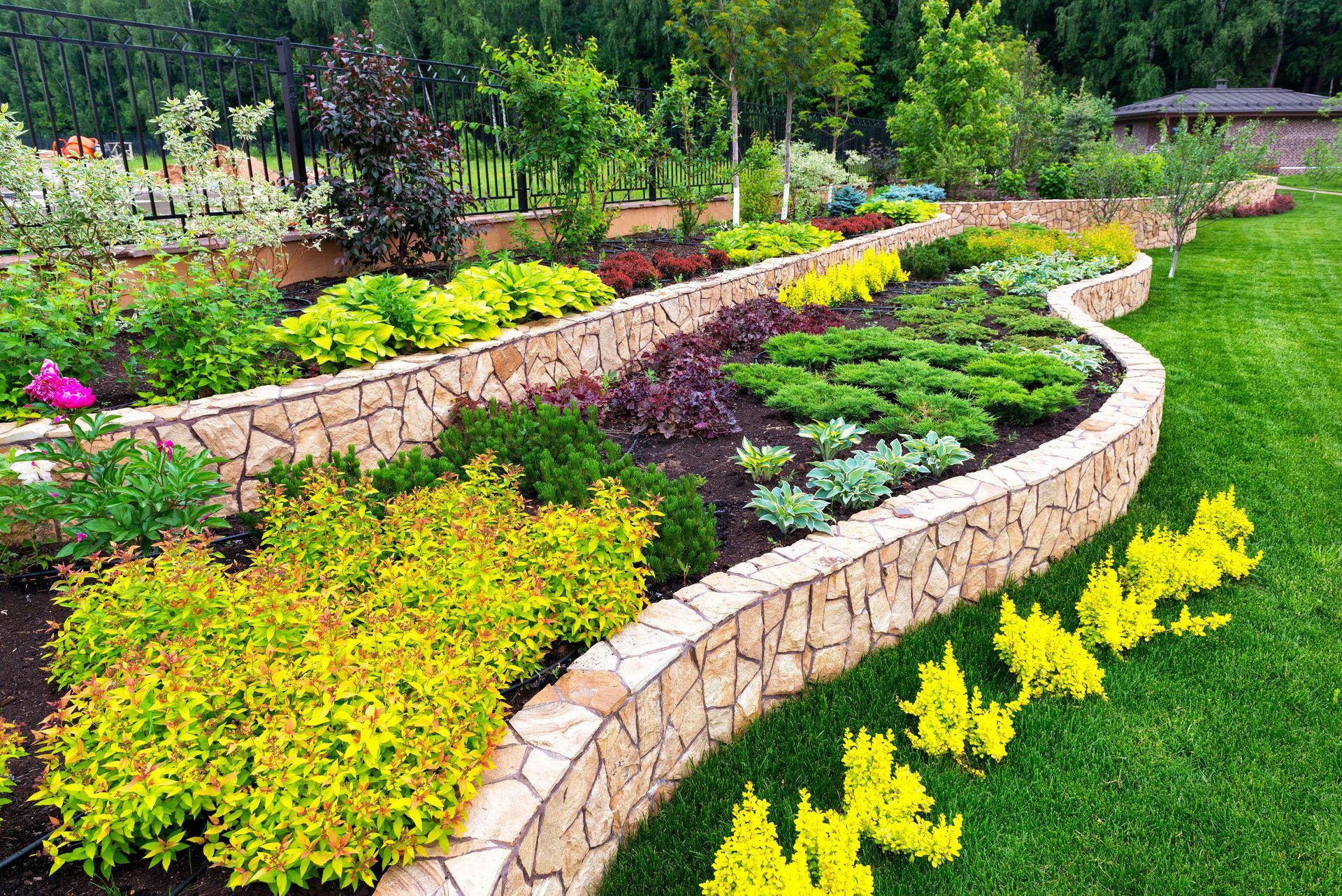
Multi-tiered planters are another excellent method to maximize your small backyard's potential. By layering plants, you not only save ground space but also add a dynamic layering effect, enriching the visual impact. Taller plants create a backdrop, medium-sized plants add body, and shorter ones complete the arrangement's foreground. This tiered approach is versatile, supporting a range of plant types from flowers to succulents to small trees. It's essential, however, to consider the sunlight each tier will receive, ensuring all plants have optimal growing conditions.
3. Choosing the Right Plants and Materials
The selection of plants significantly influences the upkeep and long-term success of your landscaping project. Opting for low-maintenance plant varieties can offer peace of mind, particularly when time or experience is a limiting factor. Hardy perennials, ornamental grasses, and drought-resistant plants are excellent choices, requiring minimal intervention once established. Select plants that harmonize with your regional climate to minimize water usage and resilience to local pests. This strategic plant selection can also reduce maintenance costs and resource consumption over time.
Exploring native and climate-adapted flora can significantly enhance the sustainability of your backyard. Native plants tend to flourish with less care, relying on the natural ecosystem to thrive, which can lead to vibrant, healthy growth. By supporting local biodiversity, you not only create a beautiful outdoor area but also contribute to ecological conservation. Another benefit is reducing the need for excess fertilizers and pesticides, leading to a safer environment for both children and pets. Integrating native plants can also attract local pollinators like bees and butterflies, increasing the dynamism of your yard.
Using textures and colors strategically can transform the look and feel of your backyard. Contrast in colors can create focal points, draw attention to specific areas, and emphasize elements you desire to showcase. Mixing different textures gives depth, from rough bark and feathery foliage to smooth stones and vibrant petals. Materials and colors should harmonize with their surroundings, creating a coherent visual narrative. A balanced combination of light and dark shades can also aid in manipulating perceived space, particularly helpful in making small environments feel larger.
4. Creating Multi-Functional Zones
In small backyards, multifunctional zones are essential for maximizing utility without cluttering the space. Designing areas for relaxation and entertainment could involve integrating compact seating solutions like foldable chairs or a combination of benches and cushions that can be stored when not in use. Modular furniture is key here, allowing you to reconfigure seating based on the occasion, from solo relaxation to hosting a small gathering. Pop-up features such as temporary shade solutions or small portable fire pits increase the functionality of these spaces. Proper planning will ensure these areas serve multiple purposes while maintaining a sense of order and style.
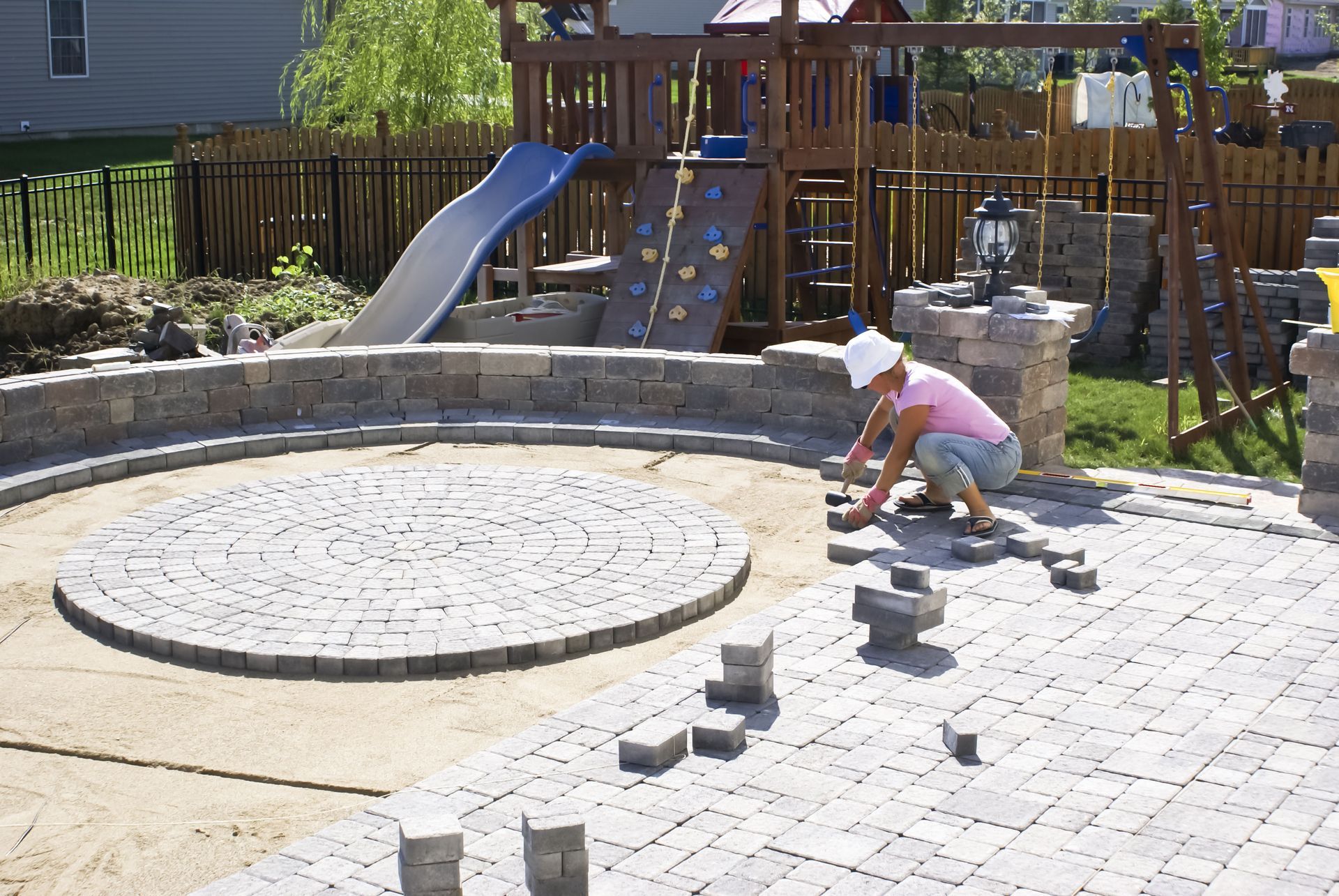
For families, incorporating play areas for children adds value and practicality to the backyard setup. Focus on versatile play structures or modular components that can evolve as children grow. Safety should be a top priority, with materials selected to weather the elements and be kid-friendly. Consider structures that can be stored or repurposed when not in use, thereby freeing up the useable space. Including natural elements like small sandboxes or water features can enhance the sensory experiences and provide educational play opportunities.
Outdoor dining and cooking zones can elevate any small backyard into a functional entertainment area. A dedicated area for grilling or outdoor kitchens can efficiently use patio or deck space, turning your backyard into a dining retreat. Keep in mind the proximity to the house for easy access to kitchen supplies and ingredients. Weather-resistant furniture is crucial, and items should ideally serve dual purposes, such as tables with built-in storage. With thoughtful design, such features can enhance the overall experience of dining alfresco while seamlessly integrating into the overall landscape.
With strategic planning and creative design, a small backyard can be transformed into a multifaceted outdoor oasis. By embracing vertical spaces, selecting appropriate plants, and using innovative landscaping techniques, you can maximize the potential of your backyard, creating a vibrant and functional area that complements your lifestyle and surroundings. Implementing optical illusions and modular designs ensures your space remains dynamic and adaptable to changing needs. According to Insurance Bee, there are 1.2 million people employed in the landscaping industry in the U.S. Regardless of the space's size, with careful thought and ingenious strategies, you can cultivate an outdoor paradise of utility, beauty, and personal expression. Be sure to reach out to Dinardi Landscape Design & Construction Inc to learn more about our professional backyard landscape services!

Share On: