
Landscaper Tips: Maintaining Your Garden Year-Round
Gardening is more than a hobby; it is a year-round commitment that rewards with beauty and bounty. Maintaining your garden throughout all seasons is crucial for sustaining a vibrant and healthy outdoor space. This guide walks through each season with practical tips that homeowners can use on their own or when working with a trusted landscaper to keep outdoor spaces thriving. From soil care to winter protection, every phase of the year plays a role in long-term success. By following these seasonal strategies, even the 70% of Americans who want to improve their lawns can achieve the garden of their dreams.
Spring Garden Preparation And Early Growth
Spring marks the rebirth of your garden and is the time to set a strong foundation. Testing soil pH and nutrient levels allows gardeners to amend deficiencies before planting begins. Adding compost improves structure and fertility, helping roots establish quickly. Many homeowners also consult a landscaper during spring to plan layouts and plant selections that will thrive throughout the year.
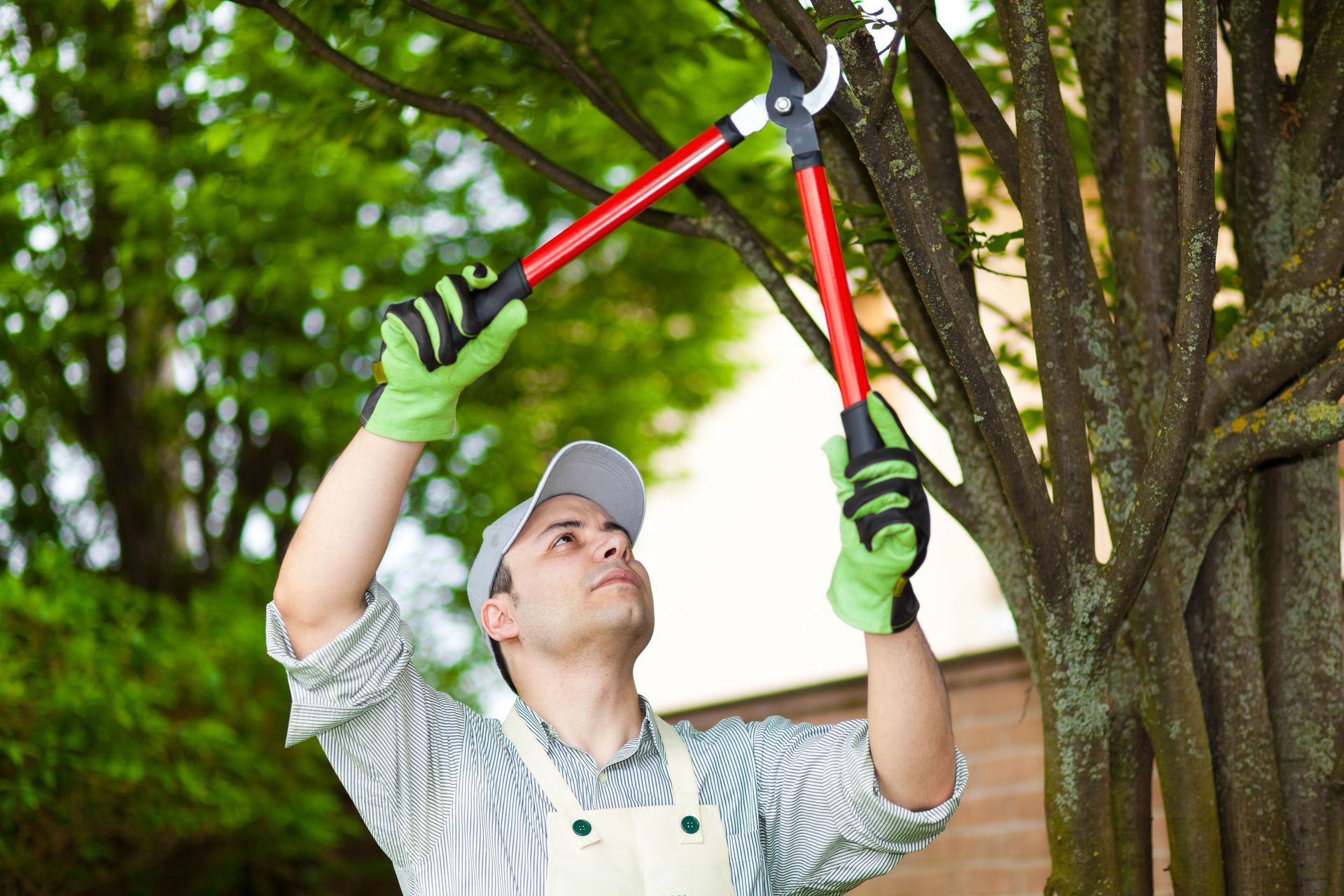
Planting in spring should follow spacing and depth guidelines, so roots have room to expand. Cool-season vegetables and early-blooming flowers perform best when planted during this period. Pruning dead or damaged branches also promotes healthy new growth and improves airflow through trees and shrubs. Watering early in the morning reduces evaporation and keeps foliage dry which lowers disease risk.
Spring Pest Control And Watering Strategies
As temperatures rise, pests become more active and can damage tender new growth. Regular inspection of leaves and stems helps catch issues early before they spread. Beneficial insects such as ladybugs can reduce pest populations naturally and keep ecosystems balanced. Gardeners who work with a landscaper often benefit from integrated pest management plans that use prevention first and chemicals only when needed.
Watering routines should match plant needs rather than following a fixed schedule. Drip irrigation systems provide consistent moisture without wasting water. Young seedlings require frequent light watering while established plants benefit from deeper less frequent soaking. These strategies encourage stronger root systems and more resilient plants.
Summer Maintenance And Heat Management
Summer brings intense sun and heat that can stress plants if not managed carefully. Mulching around garden beds helps retain moisture and regulate soil temperature. A two to three inch layer of organic mulch also suppresses weeds and gradually adds nutrients to the soil as it breaks down. Lawn mowing should keep grass slightly taller which shades roots and reduces heat stress.
Many homeowners rely on a landscaper in summer to maintain irrigation systems and keep turf healthy during dry spells. Deep watering promotes strong roots that can access moisture stored deeper in the soil. Monitoring plants for wilting or leaf scorch allows quick intervention before lasting damage occurs.
Summer Pest Control And Lawn Care
Warm weather creates ideal conditions for pests so vigilance remains essential. Natural predators, companion planting and physical barriers such as garden netting provide protection without disrupting beneficial insects. Removing damaged plant material also reduces breeding grounds for pests. Healthy plants are more resistant to infestations and recover faster when problems arise.
Lawns should be mowed with sharp blades to prevent tearing grass blades which leads to disease. Leaving clippings on the lawn returns nutrients to the soil. Consistent edging and trimming improves appearance and keeps turf from invading garden beds. Proper summer maintenance keeps landscapes looking vibrant even during extreme heat.
Fall Garden Preparation And Harvesting
Autumn is the season of harvest and preparation for winter dormancy. Late-season vegetables and flowers should be picked before frost to preserve quality and flavor. Storage methods such as freezing, drying and canning extend the enjoyment of homegrown produce. Garden beds benefit from a final cleanup that removes spent plants and reduces disease pressure.
Applying slow-release fertilizer in fall nourishes roots without encouraging vulnerable new growth. Many gardeners consult a landscaper during the fall to determine nutrient needs and protect perennial beds. Well-fed soil supports strong plants that will return healthy in spring.
Fall Soil Care And Cover Crops
Fallen leaves can be shredded and added to compost or used as natural mulch. Removing excess leaves from lawns prevents suffocation and fungal growth. Cover crops such as clover or rye prevent erosion and replenish soil nutrients during the off-season. These plants also improve soil structure when turned under in spring.
Mulching perennial beds protects roots from temperature swings and moisture loss. This insulation reduces winter damage and supports strong regrowth. Thoughtful fall preparation sets the stage for a productive year ahead.
Winter Protection And Planning
Winter requires a shift from growth to protection. Frost blankets and windbreaks shield sensitive plants from harsh conditions. Mulch insulates roots while allowing soil to breathe as temperatures fluctuate. Snow can provide natural insulation but heavy accumulation should be removed carefully from branches.
Indoor plants need adequate light and reduced watering during winter dormancy. Checking for pests prevents infestations that thrive in warm indoor environments. A landscaper may also provide winter inspections to ensure outdoor structures and drainage systems are ready for spring.
Winter Tool Care And Garden Planning
Cold months are ideal for cleaning and maintaining tools. Sharpening blades and oiling metal surfaces prevents rust and ensures efficiency when the season changes. Storing equipment in dry spaces protects investments and extends their life. These small tasks save time and money in the long run.
Winter is also a time to plan new layouts, research plant varieties and order seeds. According to Bankrate, professional landscaping can increase a home’s price tag 15 percent to 20 percent more at the time of resale. This makes thoughtful winter planning a smart investment in both curb appeal and long-term property value. Planning now ensures a smooth transition into spring planting.
Common Gardening Challenges And Solutions
Gardeners often face issues such as disease, pests and poor growth. Recognizing symptoms early allows for targeted treatment before problems spread. Soil testing reveals nutrient deficiencies that can be corrected with organic amendments. Crop rotation and resistant plant varieties further reduce disease risk.
Unexpected pests can be managed with natural predators and traps rather than harsh chemicals. Keeping the garden tidy disrupts pest life cycles. Adaptive strategies help gardens recover quickly from setbacks and remain productive.
Sustainable Gardening Practices
Composting transforms kitchen and yard waste into nutrient-rich soil conditioner. Proper aeration and balance between green and brown materials speed decomposition. Compost improves moisture retention and soil structure while reducing landfill waste. This simple practice supports healthier plants year after year.
Water conservation through rain barrels and drip irrigation reduces runoff and saves resources. Organic pest control methods protect beneficial insects while keeping crops safe. Many homeowners work with a landscaper to design sustainable systems that align with local climate and water regulations.
Encouraging Biodiversity And Native Plants
Diverse gardens attract pollinators and natural pest controllers. Planting a mix of trees, shrubs, and ground covers creates layered habitats. Water features and bird baths further support wildlife. Biodiversity strengthens the entire garden ecosystem.
Native plants require less water and fertilizer and resist local pests more effectively. They also support native wildlife and promote ecological balance.
Maintaining a healthy garden through all seasons requires attention, planning, and adaptability. From spring soil preparation to winter protection, every step contributes to long-term beauty and productivity. Whether working independently or with a professional landscape company, homeowners who apply these strategies will enjoy stronger plants and more vibrant landscapes. With consistent care and sustainable practices, a year-round garden becomes a lasting source of pride and enjoyment. Contact our team at Dinardi Landscape Design & Construction Inc today and learn more about our landscaping services.




Share On: